
Projects
Enabling safe hybrid vessel operations in the 500m zone
Maritime, Oil & gasBridging the gap between green technology and offshore safety through evidence‑based assurance.
We provided the technical assurance and risk-based justification a UKCS operator needed to safely introduce hybrid vessels into the 500m zone. By codifying clear safety standards and mitigations, we helped the client overcome internal and regulatory hurdles to adopt lower-emission technology.
The client and the challenge
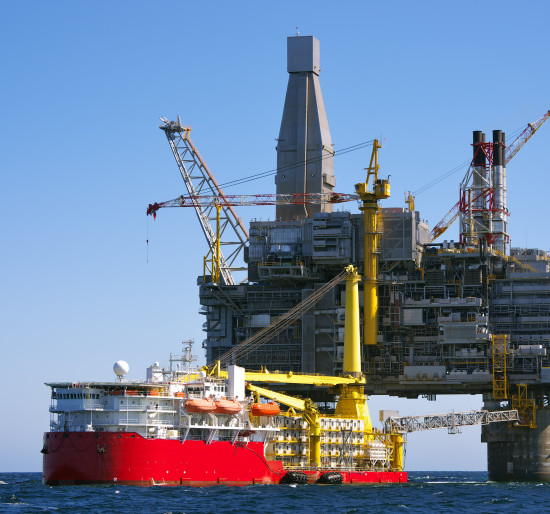
A UKCS operator client wanted to reduce emissions and prepare for future autonomous operations by chartering hybrid battery‑diesel vessels to support offshore activities.
Allowing these vessels into the 500m safety zone around a fixed installation raised understandable concerns about new battery‑related hazards, power system complexity and regulatory scrutiny.
The operator needed clear, defensible justification that hybrid vessels could be managed to the same – or better – safety standard as conventional tonnage, within a tight decision timeframe.
The Marex solution: rapid, risk‑based justification for batteries on board
Marex assigned a technical safety consultant to develop a focused risks and mitigations technical note for hybrid vessels operating inside the 500m zone.
Drawing on the operator’s requirements and leading industry guidance on large maritime battery systems, Marex carried out a structured review of the hybrid vessel power and battery arrangements
They identified the key additional risks (battery fire and thermal runaway, power management failure, gas emissions, emergency response and human factors) and set out practical control measures.
Key elements of the work included:
- risk‑based review: structured assessment of hybrid power, DP (dynamic positioning) and battery arrangements, aligned with emerging best practice for large lithium‑ion marine systems
- codified mitigations: clear operational and technical requirements covering vessel certification, battery safety systems, redundancy, operating modes in the 500m zone and emergency response expectations
- evidence‑backed assurance: explicit links to class rules, international guidance and current industry experience with hybrid and battery‑electric vessels to support internal and regulatory confidence
The result: confidence to charter hybrid vessels
The resulting technical note gave the client clear, concise, evidence‑based justification for allowing hybrid battery vessels into the 500m zone, with defined mitigations that could be built into chartering and operational procedures.
This helped overcome internal resistance to new technology and enabled the operator to proceed with lower‑emission hybrid tonnage, while demonstrating that safety, regulatory expectations and good engineering practice remained central to decision‑making.
- If you are looking to integrate new technology into your offshore operations, we can help you build the safety case to make it happen. Get in touch to discuss how we can support your transition to lower-emission tonnage.
Victoria Ajinkya Senior marine consultant
Company Registration 00793999
MAREX
Neo House
Riverside Drive
Aberdeen, AB11 7LH